A Professional’s Guide to Safe Pressure Washing Techniques
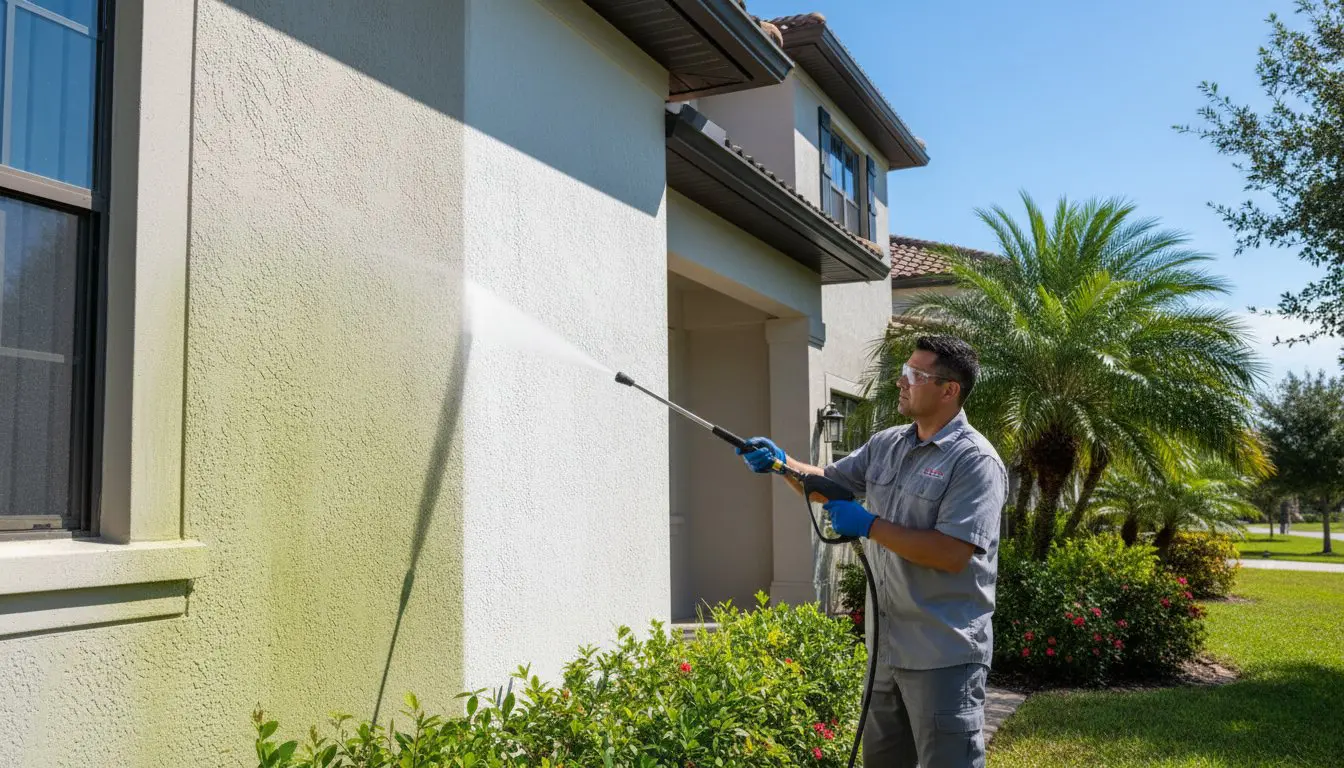
A pressure washer holds the promise of a bright, spotless home exterior, but it can also be a source of serious concern. Wielding that high-pressure stream without the right knowledge can lead to splintered wood, damaged siding, and unsightly streaks-costly mistakes that turn a weekend project into a major repair. The fear of causing permanent damage or even personal injury is enough to make many homeowners hesitate, unsure of which nozzle to use or what pressure setting is appropriate for their roof or deck.
This guide is designed to eliminate that uncertainty. We will provide you with the essential, safe pressure washing techniques used by certified professionals to achieve an outstanding clean. You will learn the critical safety protocols and methodical steps needed to remove years of grime and mildew without harming your property. By following our expert advice, you can feel confident in your ability to operate the equipment correctly, protect your valuable investment, and restore your home’s curb appeal with a thorough, professional-looking finish.
Key Takeaways
- Always begin with a thorough site inspection and safety check to prevent personal injury and protect your property from unintended damage.
- Understanding the relationship between PSI, GPM, and the correct nozzle is the key to achieving a powerful clean without stripping paint or etching surfaces.
- Mastering professional methods for wand movement and distance are the most important safe pressure washing techniques for a flawless, streak-free finish.
- Avoid costly errors by learning how to adapt your approach for different materials, from durable concrete to delicate wood siding.
Before You Start: The Essential Safety Checklist
A pressure washer is a powerful tool capable of delivering outstanding results, but it demands respect and careful preparation. Before you even think about starting the engine, a thorough safety check is non-negotiable. This isn’t just a recommendation; it’s the same meticulous process a professional team undertakes to protect both the technician and your property. Rushing this step can lead to property damage or serious injury.
Your first task is to understand the equipment you’re using. Even if it’s a rental, take the time to read the manufacturer’s manual. Knowing your machine’s specific PSI (pounds per square inch) and GPM (gallons per minute) settings is fundamental to all safe pressure washing techniques. If you are new to this, reviewing some Pressure washing basics can provide a solid foundation of knowledge before you begin. This understanding is the difference between a clean surface and a damaged one.
Personal Protective Equipment (PPE) You Must Wear
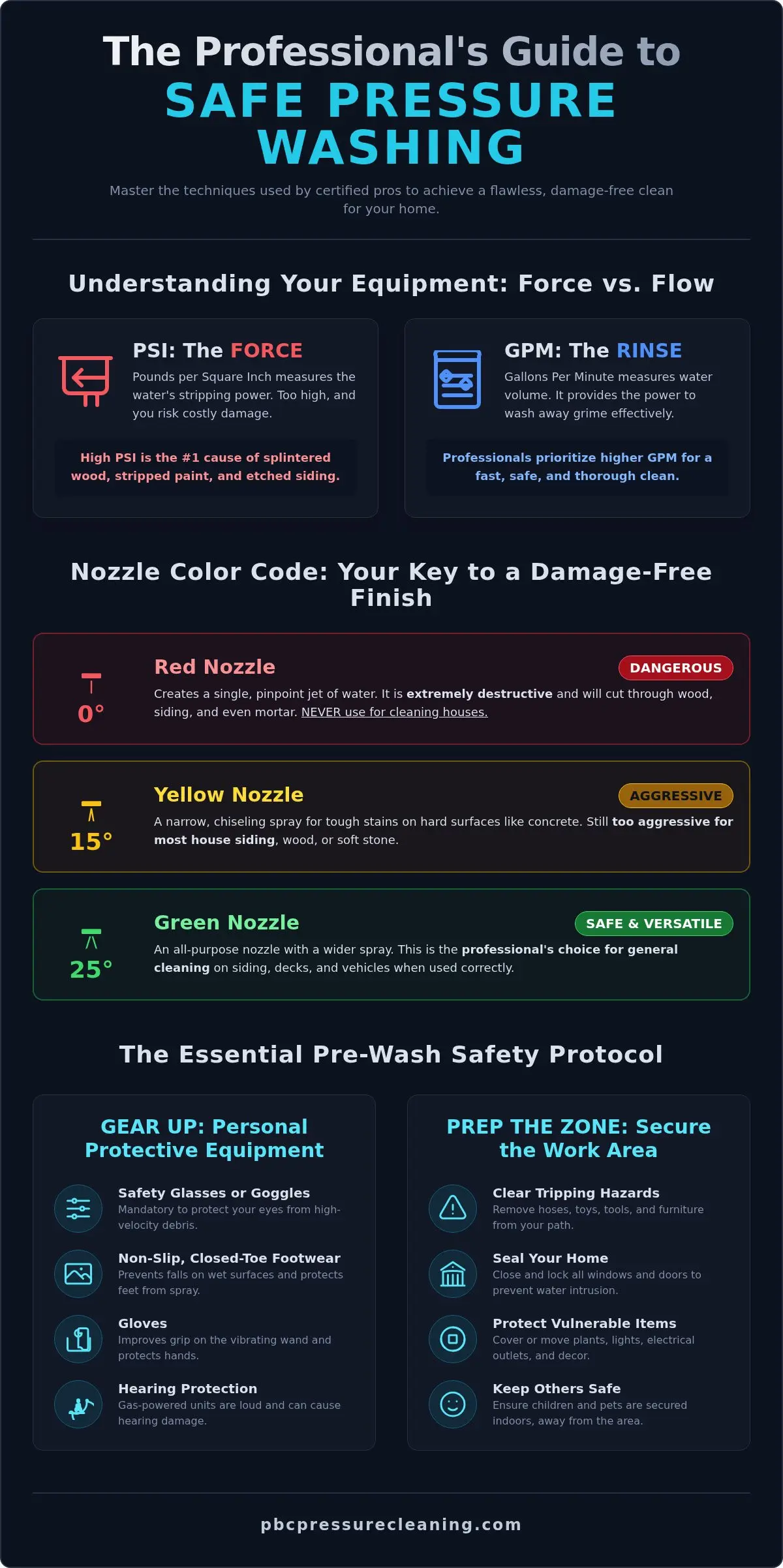
High-pressure water can turn small rocks, twigs, and paint chips into dangerous projectiles. Protecting yourself is essential. At a minimum, you must wear the following gear:
- Safety Glasses or Goggles: This is mandatory. Debris can be kicked up at high speed, posing a severe risk to your eyes.
- Closed-Toe, Non-Slip Footwear: The work area will become wet and slippery. Sturdy, waterproof boots with good grip prevent falls and protect your feet from the high-pressure spray.
- Gloves: A good pair of gloves provides a better grip on the vibrating wand and protects your hands from detergents and abrasions.
- Hearing Protection: Gas-powered pressure washers are extremely loud and can cause hearing damage over time. Always use earplugs or protective earmuffs.
Securing the Work Area
A clean work area is a safe work area. Taking 15 minutes to prepare the space around your home prevents accidents and protects your valuable property from unintended damage. This thorough preparation is a critical part of safe pressure washing techniques.
- Clear Tripping Hazards: Remove any garden hoses, toys, tools, and outdoor furniture from the path you will be walking.
- Seal Your Home: Close and lock all windows and doors. Place towels at the base of doors if you are concerned about seals.
- Protect Vulnerable Items: Move potted plants, grills, and delicate decor away from the siding. Use plastic sheeting to cover outdoor lighting fixtures and electrical outlets.
- Keep Others Safe: Ensure that all children and pets are safely inside and will not wander into the work zone unexpectedly.
Understanding Your Equipment: PSI, GPM, and Nozzles
A pressure washer is a powerful tool, and its effectiveness is matched only by its potential to cause serious damage if used incorrectly. The key to protecting your home’s siding isn’t avoiding pressure, but applying it correctly. Choosing the right combination of pressure, water flow, and nozzle type is the foundation of all professional-grade, safe pressure washing techniques. Mastering these variables is what separates a meticulous, damage-free clean from a costly mistake. Professionals use a wide range of machines precisely because a single consumer-grade unit is rarely the right tool for every job.
PSI vs. GPM: What Do They Mean for Safety?
Understanding two key terms is essential: PSI (Pounds per Square Inch) and GPM (Gallons Per Minute). PSI measures the force of the water stream, while GPM measures the volume of water being used. Excessively high PSI is the number one cause of property damage, as it can easily strip paint, splinter wood, and shred delicate vinyl siding. Professionals often prioritize a higher GPM, which provides the rinsing power necessary to wash away dirt and algae without relying on destructive force.
Decoding the Nozzle Color System
The nozzle tip on the end of the wand controls the angle of the water spray, which directly impacts the pressure applied to the surface. The color-coding system is a universal guide to their power and purpose.
- Red (0°): This nozzle creates a single, pinpoint jet of water. It is extremely dangerous and should never be used to clean a house, as it will cut through siding, wood, and even mortar.
- Yellow (15°): Creates a narrow, chiseling spray for stripping tough stains from hard surfaces like concrete. It is still too aggressive for house siding.
- Green (25°): A versatile, all-purpose nozzle used for general cleaning on many surfaces. It offers a good balance of cleaning power and coverage.
- White (40°): Produces a wide, gentle spray. This is the preferred nozzle for more delicate surfaces, including siding, windows, and vehicles.
The ‘Start Low’ Principle
A core rule for safe pressure washing is to always start with the lowest pressure setting and work your way up only if necessary. This means beginning with the widest angle nozzle (the white 40° tip) and testing it on a small, inconspicuous area of your siding first. If that isn’t providing enough cleaning power, you can gradually move to a narrower angle. This methodical approach prevents irreversible damage from accidentally starting with too much force. Proper equipment handling and safety awareness are paramount, as mishandling these powerful machines can lead to various hazards; the U.S. government has even issued a CPSC electrical hazard warning regarding improper use, underscoring the need for expertise.
The Core Techniques for a Flawless, Damage-Free Finish
Achieving a truly clean, uniform finish without causing harm to your property isn’t about raw power-it’s about meticulous technique. The difference between a professional result and a siding replacement bill often comes down to consistency and control. Improper methods can leave behind ugly streaks, wand marks, and even permanent surface damage. Mastering these foundational skills is what separates an amateur from a certified professional and forms the basis of all safe pressure washing techniques. These principles are essential for cleaning most flat surfaces, from delicate vinyl siding to durable concrete driveways.
Maintaining the Right Distance and Angle
Controlling the distance and angle of the pressure washer wand is the first step in protecting your home. A professional always starts cautiously and adjusts based on the surface material and the level of grime. This prevents the high-pressure stream from etching, splintering, or otherwise damaging your property.
- Start at a Safe Distance: Begin by standing 3-4 feet away from the siding. You can move slightly closer if needed, but never get closer than 12 inches, especially with softer materials like wood or vinyl.
- Use a 45-Degree Angle: Always hold the wand so the water strikes the surface at a 45-degree angle. This critical technique allows the water to get underneath dirt and lift it away, rather than driving it deeper into the material.
Mastering the Sweeping Motion
Consistency is key to avoiding lap marks and ensuring an even clean across the entire surface. A steady, controlled motion guarantees that every square inch receives the same level of cleaning power, resulting in a flawless, professional-grade finish. This is one of the most important safe pressure washing techniques for a beautiful result.
- Keep the Wand Moving: Never hold the spray in one spot. Use a smooth, side-to-side sweeping motion at a consistent speed to prevent lines and stop marks.
- Work from Top to Bottom: Always clean in small, manageable sections, starting from the top and working your way down. This prevents dirty water from running over already cleaned areas.
- Overlap Your Passes: To ensure a uniform finish, slightly overlap each sweeping pass by about 30-50%. This methodical approach eliminates the risk of missed spots and visible cleaning lines.
Surface-Specific Safety: How Professionals Adapt Their Method
When it comes to pressure washing, one of the most common and costly mistakes a homeowner can make is treating every surface the same. Applying high pressure to a soft surface like vinyl siding or a wood fence can cause irreversible damage, including etching, splintering, and water intrusion. This is where professional experience becomes invaluable. A trained technician understands that different materials require different approaches, adapting their method to ensure a thorough clean without compromising your property’s integrity.
This principle of adapting techniques for different materials is universal, applying to everything from residential homes to massive industrial assets. For instance, the challenges of maintaining a ship’s hull against the harsh marine environment require specialized knowledge far beyond typical pressure washing, often involving comprehensive ship repair services Panama Canal to manage everything from biofouling to structural integrity.
Hardscapes: Concrete, Brick, and Pavers
Durable surfaces like concrete driveways, brick walls, and paver patios can generally withstand higher pressure, typically between 2000-3000 PSI. Using a 15- or 25-degree nozzle helps strip away years of built-up grime and dirt. However, even on these tough surfaces, caution is necessary. A professional will carefully manage the pressure around delicate mortar joints on brick to prevent erosion. For deeply embedded oil and grease stains, specialized detergents and techniques are needed, which is why professional services are often required for a complete restoration.
Delicate Surfaces: Siding, Wood Decks, and Fences
Materials like vinyl siding, painted surfaces, and wood require a much more gentle approach. For these surfaces, true professionals rely on safe pressure washing techniques that prioritize finesse over force. This involves using the lowest effective pressure setting combined with a wider nozzle (25 to 40 degrees). It is critical to:
- Never use a zero-degree (red) nozzle, which can act like a blade and carve into wood or siding.
- Avoid spraying upwards at siding panels, as this can force water behind the vinyl and lead to mold and rot.
These surfaces are prime candidates for a different, more advanced method: soft washing.
The Soft Wash Method: The Safest Technique for Roofs and Siding
Soft washing is the industry-preferred method for cleaning delicate exterior surfaces. Instead of relying on high-pressure water to blast away contaminants, this technique uses specialized, biodegradable cleaning solutions applied with very low pressure-often no more than a garden hose. The cleaning agents do the heavy lifting, safely killing and removing organic growth like algae, mildew, and moss at the root.
This method doesn’t just clean the surface; it sanitizes it, which helps keep your home looking beautiful for longer. It is the only cleaning method approved by the Asphalt Roofing Manufacturers Association (ARMA) and is the specialty here at Pressure Pros of Palm Beach for protecting your home’s siding, roof, and other delicate materials.
Critical Mistakes to Avoid: What NOT to Do When Pressure Washing
When it comes to maintaining your home’s exterior, knowing what to avoid is just as important as knowing what to do. While pressure washing may seem like a straightforward DIY task, a few common but critical errors can lead to expensive property damage or, worse, serious personal injury. Mastering safe pressure washing techniques involves more than just pointing and spraying; it requires a thorough understanding of the equipment’s power and your home’s most vulnerable areas.
These common mistakes highlight the hidden complexities of a seemingly simple job. For an experienced professional, avoiding these pitfalls is second nature, ensuring your property is cleaned beautifully and without incident.
Never Spray These Sensitive Areas
A high-pressure stream of water can wreak havoc on the delicate components of your home. A trained professional always knows to avoid or carefully protect these areas to prevent costly repairs:
- Electrical Components: Never direct water at electrical panels, meters, outlets, or overhead power lines. The risk of electrocution or short-circuiting is extremely high.
- Air Conditioning Units: The fragile aluminum fins on an outdoor AC unit can easily be bent or flattened by high pressure, which severely restricts airflow and can ruin the system.
- Window and Door Seals: Forcing water at high pressure against window panes can break the seals, allowing moisture to get trapped between the glass and leading to fogging, leaks, and interior water damage.
- Asphalt Shingle Roofs: Directly spraying an asphalt roof strips away the protective granules that shield it from UV rays. This drastically shortens its lifespan and can void your manufacturer’s warranty.
Common Operational Errors
Beyond knowing where not to spray, how you operate the machine is critical for safety and effectiveness. Amateurs often make these dangerous mistakes:
- Using a Ladder: The backward force, or “kick,” from a pressure washer wand can easily throw you off balance. Using one while on a ladder is a leading cause of serious falls and injuries.
- Pointing the Wand Carelessly: A pressure washer is a powerful tool, not a toy. Never point the wand at people, pets, or even yourself, as the high-pressure stream can cause severe skin lacerations.
- Leaving the Machine Running Idle: Letting the pressure washer run while you’re not actively spraying causes water inside the pump to recirculate and heat up, which can lead to overheating and permanent pump damage.
- Using Incorrect Cleaners: Mixing incompatible chemicals like bleach and ammonia can create toxic gas. Furthermore, using the wrong detergent for a specific surface can cause permanent staining or etching.
Avoiding these issues is a core part of professional and safe pressure washing techniques. To protect your investment and guarantee a flawless result, trust the experts. For a professional assessment in Palm Beach County, contact Pressure Pros of Palm Beach today.
When to Call a Professional: Recognizing the Limits of DIY
While handling small cleaning tasks around your property can be rewarding, DIY pressure washing has significant limitations. For many homeowners, the initial savings of renting or buying a machine are quickly overshadowed by the risk of property damage, personal injury, or a subpar result. Knowing when a job is beyond the scope of a weekend project is crucial for protecting your home’s value. The reality is that applying the correct, safe pressure washing techniques for different surfaces requires more than just powerful equipment-it demands professional training and experience.
Consider the value of your time and the high cost of potential repairs. Gouging your wood deck, stripping paint from siding, or damaging window seals can lead to expensive fixes. A professional service is not just a cleaning expense; it is a direct investment in your property’s safety, longevity, and curb appeal.
Jobs Best Left to the Pros
Certain pressure washing jobs carry a much higher risk and are best handled by trained and equipped professionals. Attempting these tasks without the right gear and knowledge can lead to disastrous results. We strongly recommend calling an expert for:
- Roof Cleaning: This requires specialized soft washing equipment and extensive safety protocols to prevent damage to shingles and avoid dangerous falls.
- Two-Story Homes or Higher: Working on ladders while managing a high-pressure hose is extremely hazardous and requires professional-grade equipment and safety training.
- Stubborn Stain Removal: Deep-set stains like rust, oil, graffiti, or efflorescence often require specific cleaning solutions and techniques that can damage surfaces if misapplied.
- Large-Scale Projects: Cleaning an entire driveway, a large patio, or commercial property is labor-intensive and requires commercial equipment for a uniform, thorough result.
The Professional Advantage
Hiring a licensed and insured company like Pressure Pros of Palm Beach removes the risk and guesswork from exterior cleaning. Our technicians are equipped with commercial-grade machinery that delivers a more powerful and efficient clean than any consumer-grade unit. More importantly, our years of experience mean we understand the precise pressure settings and safe pressure washing techniques needed for every material, from delicate vinyl siding to durable concrete. We provide a meticulous, outstanding result without the risk of accidental damage to your property.
Don’t risk the integrity of your home’s exterior. Protect your investment and ensure a beautiful, lasting clean with the help of seasoned professionals. Get a free, no-obligation estimate today.
Protect Your Investment with Expert Pressure Washing
Ultimately, pressure washing is a powerful tool where knowledge is just as important as the equipment. From conducting a thorough pre-wash inspection to selecting the correct nozzle for each unique surface, mastering these safe pressure washing techniques is the key to avoiding costly mistakes and achieving a truly pristine finish. This guide has armed you with the foundational knowledge to approach your next project with confidence and care, protecting your property while restoring its beauty.
For jobs that demand a higher level of precision or involve delicate materials, the expertise of a professional is invaluable. With over 43 years of dedicated service, the licensed and insured team at Pressure Pros of Palm Beach specializes in advanced low-pressure soft washing to deliver a meticulous clean without the risk. Don’t leave your property’s curb appeal to chance. Request a Free Estimate from Palm Beach County’s Trusted Professionals. Let us show you the difference that experience makes.
Frequently Asked Questions About Pressure Washing
What is the difference between pressure washing and power washing?
The primary difference between pressure washing and power washing is heat. Both methods use highly pressurized water to clean surfaces, but power washing uses heated water. This makes power washing particularly effective for removing stubborn, stuck-on materials like grease, oil, and gum from hard surfaces. Pressure washing uses unheated water and is the standard for most residential cleaning tasks, including siding, decks, and driveways, where high heat is unnecessary and could cause damage.
Can you damage concrete by pressure washing it?
Yes, it is possible to damage concrete with improper pressure washing. Using a PSI (pounds per square inch) that is too high or a nozzle tip that is too narrow can etch or scar the surface, leaving permanent marks. This is especially true for older or improperly cured concrete. A professional technician knows the correct pressure and nozzle combination to clean concrete thoroughly without causing this kind of “striping” or surface degradation, protecting the integrity of your driveway or patio.
What PSI is safe for washing a house’s vinyl siding?
For vinyl siding, a pressure setting between 1,200 and 1,500 PSI is generally considered safe when applied correctly. However, the safest and most effective method is soft washing. This professional technique uses very low pressure, similar to a garden hose, and relies on specialized, eco-friendly cleaning solutions to remove dirt, mildew, and algae. This approach eliminates the risk of forcing water behind the panels or damaging the vinyl surface, ensuring a meticulous and damage-free clean.
How often should you pressure wash your home’s exterior?
For most homes in the Palm Beach County area, we recommend a professional exterior cleaning every 12 to 24 months. This frequency helps prevent the permanent staining and buildup of algae, mold, and grime that thrive in our humid climate. Factors like heavy tree coverage, local pollen counts, or proximity to high-traffic roads may require more frequent cleanings. Regular washing is an affordable way to maintain curb appeal and protect your home’s value.
Is it safe to use bleach in a pressure washer?
Using undiluted, store-bought chlorine bleach is not recommended, as it can damage your pressure washer and harm your landscaping. Professionals utilize a carefully balanced solution containing sodium hypochlorite (a type of bleach), specialized surfactants, and water. Applying this correctly is one of the most important safe pressure washing techniques, as it effectively kills organic growth like mold and mildew without relying on destructive high pressure. This ensures a thorough clean that is safe for your property.
Can I pressure wash my windows safely?
No, you should never use high pressure on your windows. The intense force can easily crack or shatter the glass, break window seals leading to foggy panes, or force water into the window frame, which can cause wood rot and mold. The proper way to clean windows is with a gentle, low-pressure rinse combined with appropriate cleaning solutions or traditional squeegee methods. A professional service will use the correct technique to clean the areas around your windows without causing damage.
Why should I hire a professional instead of doing it myself?
Hiring a professional protects your most valuable investment: your home. A licensed and insured expert understands the correct pressure, nozzles, and cleaning agents for every surface, from delicate siding to durable concrete. Professionals use commercial-grade equipment and employ safe pressure washing techniques to deliver a thorough, uniform clean without risking costly damage. This expertise saves you time, prevents potential injury, and ensures outstanding, long-lasting results that a DIY rental machine simply cannot match.
Comments are closed.