How Long After Pressure Washing Can I Paint? An Expert Guide
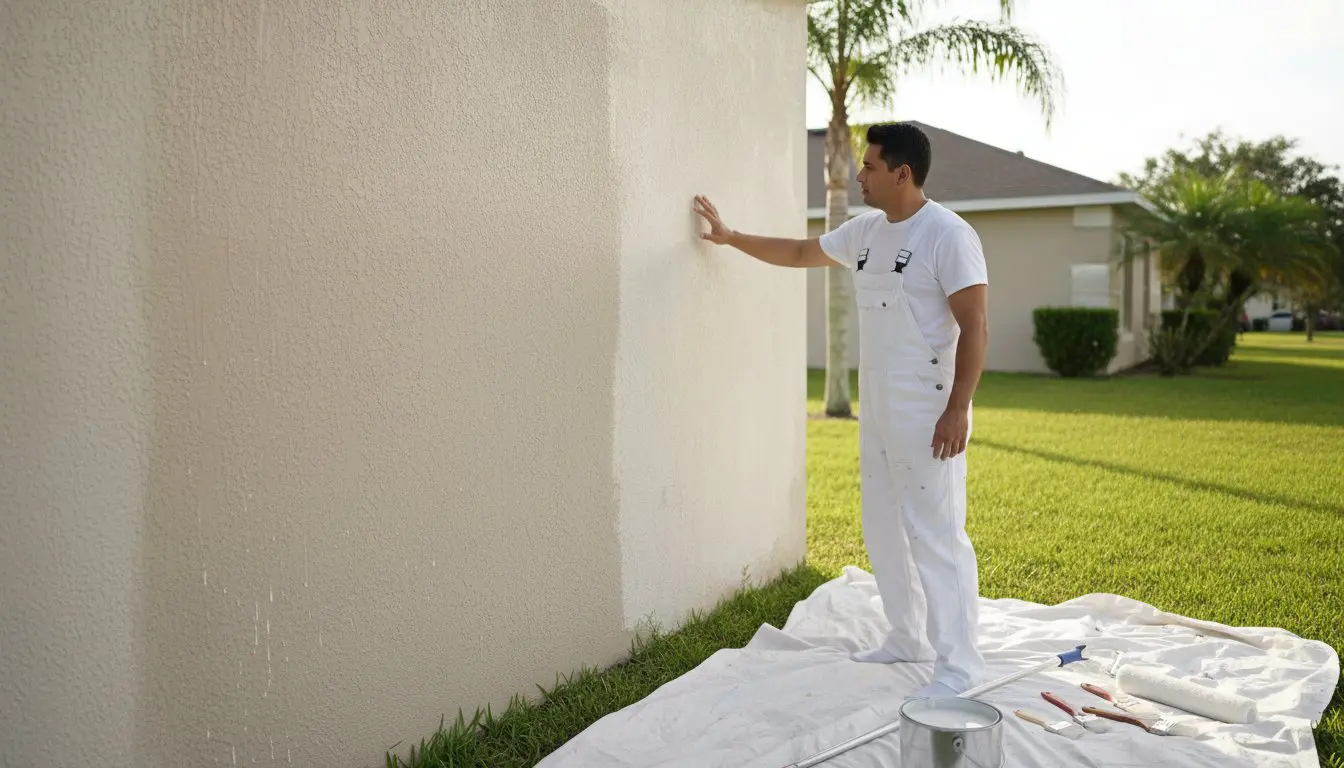
You’ve just blasted away years of grime, and your home’s exterior looks fresh and ready for its transformation. The next step is a beautiful new coat of paint, but this is where a critical question can cause hesitation and costly mistakes. The answer to how long after pressure washing can I paint isn’t always a simple number. Painting too soon traps moisture beneath the surface, leading to peeling, bubbling, and a finish that fails in a fraction of the time, forcing you to do the work all over again.
As experienced professionals, we know that a successful paint job is an investment in your property’s value and curb appeal. In this expert guide, we provide the professional timeline you need. We will break down the key factors that affect drying time-from humidity to surface material-and teach you how to know for certain when your exterior is perfectly prepped and ready for paint. Gain the confidence to achieve a durable, long-lasting finish that protects your home and looks outstanding for years to come.
Key Takeaways
- While 24-48 hours is the general guideline, painting success depends entirely on one critical factor: ensuring the surface is completely dry deep down, not just on the surface.
- The exact answer to how long after pressure washing can i paint is unique to your project; factors like humidity, sun exposure, and surface material all play a significant role in the timeline.
- Don’t guess if your surface is ready for paint. Learn simple but reliable methods to test for moisture and avoid the costly mistake of paint failure.
- A professional paint job requires more than just a clean surface. Discover the essential prep work that must be completed after the surface is confirmed to be completely dry.
The Straight Answer: How long to wait before painting
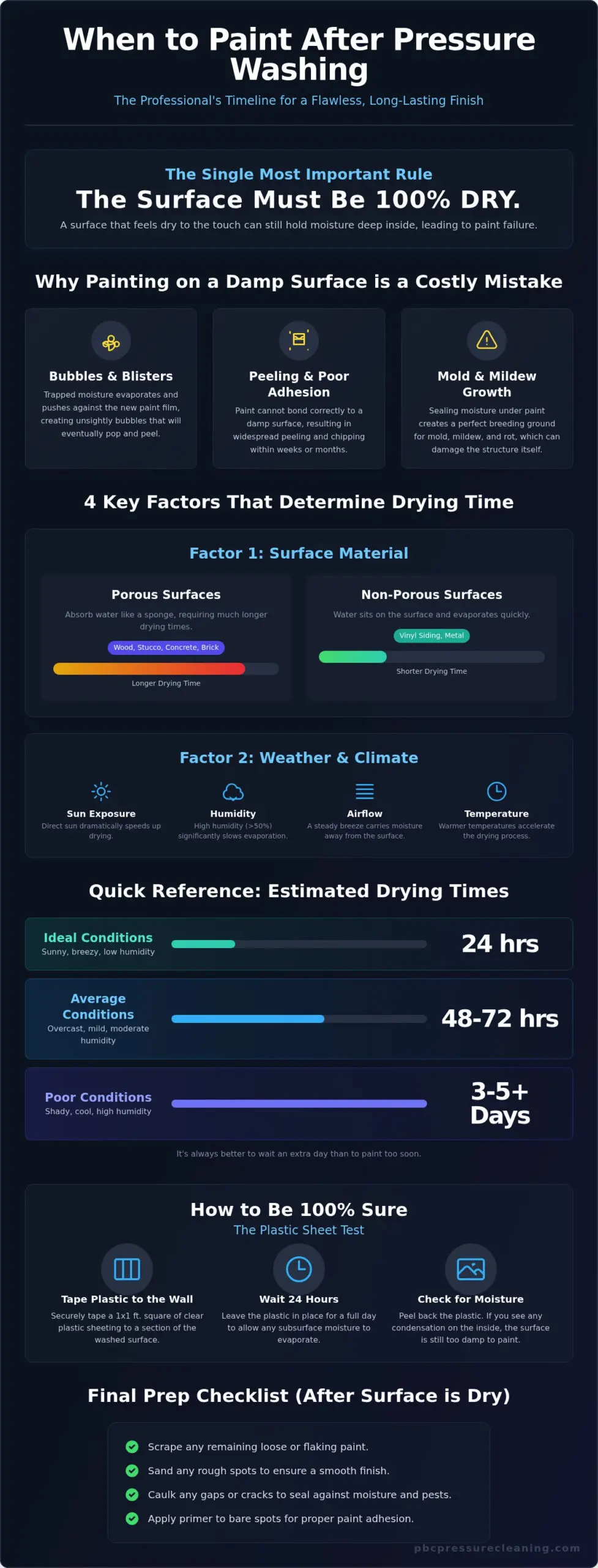
After a thorough cleaning, the most common question homeowners ask is, “how long after pressure washing can i paint?” The professional, direct answer is to wait a minimum of 24 to 48 hours. However, this timeline is just a starting point. The single most important principle is that the surface must be completely dry before you even think about picking up a paintbrush. The process of pressure washing is incredibly effective at removing grime and old paint, but it also forces a significant amount of water deep into porous surfaces like wood, concrete, and siding. A surface that feels dry to the touch may still hold moisture underneath, which can ruin your new paint job.
Ensuring the surface is 100% dry is non-negotiable for proper paint adhesion and the long-term protection of your investment. Rushing the drying process is a guaranteed way to waste time, money, and materials on a paint job that is destined to fail. The wait time is crucial for achieving a beautiful, durable finish that enhances your property’s curb appeal.
Why Painting on a Damp Surface Is a Costly Mistake
Applying a fresh coat of paint over a damp surface is one of the most common and costly DIY mistakes. Trapped moisture will always try to escape, leading to a host of problems that undermine the integrity and appearance of your work. A professional paint job relies on a perfectly prepared, completely dry surface. Ignoring this step will lead to:
- Bubbles and Blisters: As trapped water evaporates, it pushes against the paint film from underneath, creating unsightly bubbles and blisters that will eventually pop and peel.
- Poor Adhesion and Peeling: Paint is designed to bond chemically with a dry, stable substrate. When moisture is present, this bond cannot form correctly, resulting in widespread peeling and chipping in a matter of weeks or months.
- Mold and Mildew Growth: Sealing moisture underneath a layer of paint creates the perfect dark, damp environment for mold, mildew, and rot to thrive, potentially damaging the underlying material itself.
Snippet Bait: Quick Reference Drying Times
Your exact wait time will depend heavily on the material, weather, and sun exposure. Use this guide to estimate how long after pressure washing you can paint under different conditions:
- Ideal Conditions (Sunny, breezy, low humidity): 24 hours is often sufficient.
- Average Conditions (Overcast, mild, moderate humidity): Plan to wait 48 to 72 hours.
- Poor Conditions (Shady area, cool, high humidity): Be patient and wait at least 3 to 5 days. It’s always better to wait an extra day than to paint too soon.
4 Key Factors That Influence Surface Drying Time
While every property owner wants a simple answer, the reality is that every project is unique. Understanding how long after pressure washing can i paint depends on a careful assessment of your specific conditions. To achieve a professional, long-lasting paint job that protects your investment, you must allow the surface to dry completely. Below are the four main variables you need to consider to make an informed decision.
Surface Material: Porous vs. Non-Porous
The type of material you’ve washed is the single most important factor in determining drying time. Porous surfaces absorb water like a sponge, while non-porous surfaces dry much more quickly.
- Wood and Stucco: These materials are highly porous and soak up a significant amount of water. Painting over damp wood or stucco traps that moisture, which inevitably leads to peeling, bubbling, and rot. To understand the science behind how wood absorbs moisture, it becomes clear why patience is essential. Expect to wait a minimum of 48-72 hours, or even longer.
- Concrete and Brick: Also porous, concrete and brick hold moisture deep within the surface long after the top layer feels dry. Applying paint or sealant too soon will compromise the bond and cause the coating to fail. Allow at least 24-48 hours for these materials to cure.
- Vinyl or Metal Siding: As non-porous materials, vinyl and metal siding don’t absorb water. The only concern is surface moisture and water caught in seams or overlaps. These surfaces dry much faster and are often ready for paint within 24 hours in good weather.
Weather and Climate: The Humidity Factor
Humidity is the most critical weather variable. When the air is already saturated with moisture-typically anything over 50% relative humidity-the evaporation process slows dramatically. Here in Palm Beach County, Florida’s high humidity means homeowners must often add an extra day to their drying schedule. While warmer air helps water evaporate, a warm, dry, and breezy day provides the ideal conditions for a surface to dry efficiently.
Sun Exposure vs. Shady Areas
A surface basking in direct sunlight will dry significantly faster than one that remains in the shade all day. The areas that demand the most patience are often the north side of a house, sections under deep eaves, or spots behind dense landscaping. Before you begin painting, you must perform a final check on these cooler, shadier spots. If they are completely dry to the touch, you can be confident the rest of your property is ready for a fresh coat.
How to Be 100% Sure Your Walls Are Ready for Paint
Guessing when a surface is dry enough for paint is a recipe for failure. The real answer to how long after pressure washing can i paint depends on verifiable dryness, not just the number of sunny days that have passed. Painting over trapped moisture will cause the new coat to bubble, peel, and blister, wasting all your hard work and investment. To protect your property and ensure a lasting finish, you must be 100% certain the surface is ready. Here are the thorough, professional methods to check for moisture.
The Visual Inspection and Touch Test
Your first line of defense is a simple, hands-on assessment. While not foolproof, this initial check can quickly identify obvious problem areas that need more time to dry. A meticulous visual and physical inspection is the first step any professional takes.
- Look for dark patches: Carefully scan the entire surface for any dark, damp-looking spots or visible water streaks. Pay close attention to corners, crevices, and the areas underneath eaves where moisture can linger.
- Use a dry cloth: Press a clean, absorbent rag firmly against several different sections of the wall. If the cloth picks up any moisture at all, the surface is still too wet.
- Feel the surface: Place your bare hand flat against the wall. It should not feel cool or clammy to the touch. A truly dry surface will feel neutral or even slightly warm.
The Plastic Sheet Test for Porous Surfaces
For porous materials like unsealed concrete, brick, or stucco, moisture can be trapped deep inside even when the surface feels dry. This simple DIY test can reveal hidden dampness. Tape a small (1 ft. x 1 ft.) square of clear plastic sheeting to the wall, ensuring all four edges are sealed tightly with painter’s tape. Let it sit for 12-24 hours. If you see condensation or water droplets forming on the underside of the plastic, moisture is still evaporating from the wall, and it is not yet ready for sealing or painting.
The Professional Method: Using a Moisture Meter
For a definitive and guaranteed result, nothing beats a professional-grade moisture meter. This is the only method that measures the actual moisture content inside the material, providing a clear, scientific reading instead of an estimate. At Pressure Pros of Palm Beach, we rely on these tools to ensure a flawless foundation for any paint job. The industry standard is clear: wood siding should have a moisture content below 15% before painting. Using a meter removes all guesswork and is essential for protecting the longevity of your new paint.
The Painting Process: Prep Work After the Wash
A professional pressure wash creates the perfect clean slate for a new coat of paint, but it’s only the first step in a thorough preparation process. Once your exterior is completely dry, a few more crucial tasks are needed to guarantee a flawless, long-lasting finish. Many homeowners focus on how long after pressure washing can i paint, but they overlook the prep work that follows the wash.
Skipping these steps is a common mistake that can compromise the adhesion and durability of your new paint, leading to premature peeling and chipping. A meticulous approach to preparation is what separates a short-term fix from a lasting investment in your property’s curb appeal and protection.
Scraping and Sanding Loose Paint
While pressure washing is highly effective at removing dirt, grime, and large areas of failing paint, it rarely removes every single loose chip. You must inspect the entire surface for any remaining peeling or flaking spots. Use a sturdy paint scraper to meticulously remove these stubborn areas. Afterward, lightly sand the edges of the scraped sections to create a smooth, feathered transition between the old paint and the bare surface. This prevents unsightly ridges from showing through your topcoat.
Applying Primer to Bare Spots
Any spot where you’ve scraped down to the bare wood, stucco, or metal must be primed. Primer is not just an extra layer of paint; it serves a critical purpose in ensuring a professional-quality result. Its primary functions are to:
- Seal the surface: Porous materials like wood will soak up paint unevenly. Primer creates a uniform, sealed base so your topcoat has a consistent sheen.
- Ensure adhesion: Primer creates a strong bond between the surface and the new paint, which is essential for preventing future peeling.
- Block stains: On bare wood, primer prevents tannins from bleeding through and discoloring your new paint.
Choosing the Right Paint for Your Exterior
The final step before you begin painting is selecting the right product. For Florida homes, a high-quality 100% acrylic latex exterior paint is the best choice. This type of paint offers superior flexibility, allowing it to expand and contract with temperature and humidity changes without cracking. It also provides excellent durability against intense sun and moisture. Always read the manufacturer’s instructions on the can for ideal application temperatures and humidity levels to ensure the paint cures correctly. For ideas on what colors are making a splash this season, you can visit Brisbane Roof & Paint to see some inspiring trends.
Completing this detailed prep work is just as important as knowing how long after pressure washing can i paint. This thorough process ensures your investment is protected and the final result is beautiful and durable. For a complete, professional cleaning that prepares your home perfectly, trust the experts at Pressure Pros of Palm Beach.
Why Trust a Pro for Both Washing and Painting?
As we’ve explored, determining exactly how long after pressure washing can i paint is a detailed process with no single, simple answer. The variables of surface type, humidity, and sun exposure create a complex equation where a mistake can lead to a failed paint job. This is precisely why entrusting the entire project to a single, experienced team is the most effective way to protect your investment and guarantee a flawless result.
At Pressure Pros of Palm Beach, we provide a seamless, integrated service that takes the guesswork out of your exterior renovation. Instead of coordinating multiple contractors or risking a costly DIY error, you get a single, reliable partner dedicated to delivering an outstanding finish from start to finish.
Guaranteed Results and Accountability
When one company manages the entire project, accountability is built-in. There is no finger-pointing between the washer and the painter if the paint starts to peel; the responsibility is ours alone. Our meticulous team uses professional tools, including moisture meters, to definitively know when a surface is perfectly prepped and ready for paint. We don’t guess-we measure. This commitment ensures the job is done right the first time, protecting your property and providing a durable, beautiful finish that lasts.
Efficiency and Proper Equipment
A professional service saves you more than just the headache of a potential mistake-it saves you valuable time. We arrive with the right commercial-grade equipment for both phases of the project, from specialized pressure washing nozzles to professional paint sprayers. Our coordinated process means there are no unnecessary delays. The transition from cleaning to drying to painting is managed efficiently, streamlining the entire project timeline. You get a superior result in a fraction of the time it would take to manage on your own.
Ready to see your property transformed without the stress? Get a free estimate for your exterior cleaning and painting project.
Achieve a Flawless Finish: From Washing to Painting
Getting the timing right is the most critical step for a durable, professional-looking paint job. While a 24-48 hour wait is a good starting point, the real answer to how long after pressure washing can i paint is simple: only when the surface is completely dry. As we’ve covered, factors like humidity, sun exposure, and surface material all play a significant role. Rushing the process traps moisture, leading to peeling, bubbling, and a finish that won’t protect your investment.
Why leave such a crucial project to chance? For a truly seamless and meticulous result, trust the professionals who have served Palm Beach County for over 43 years. At Pressure Pros of Palm Beach, our fully licensed and insured team provides integrated services for a flawless finish from start to finish. We take the guesswork out of the equation to ensure your property looks its absolute best. Schedule your professional pressure washing and painting service today! Let our experts handle the details, so you can enjoy a beautiful, long-lasting result.
Frequently Asked Questions
Can I paint the next day if it’s really hot and sunny?
While a hot, sunny day speeds up surface drying, moisture can remain trapped within porous materials like wood or concrete. The question of how long after pressure washing can i paint still requires a cautious answer. We recommend waiting a minimum of 24-48 hours, even in ideal weather. A moisture meter provides the most professional and accurate way to be certain the surface is ready, ensuring your investment is protected and the paint adheres correctly.
Does the type of paint I use affect the drying time after pressure washing?
Yes, the type of paint is a critical factor. Oil-based paints are extremely intolerant of moisture and require a completely bone-dry surface to adhere properly. Modern latex and acrylic paints are more forgiving but still perform best on a thoroughly dry surface. To ensure a durable, professional finish and avoid costly failures down the road, it is always best to wait until the surface is completely dry, regardless of the paint you choose.
What happens if it rains after I pressure wash but before I paint?
If it rains after you have pressure washed a surface, the drying clock essentially resets. You must wait for the surface to become completely dry again before you can begin painting. This could mean another 24 to 72 hours of waiting, depending on the material, humidity, and sun exposure. It is also wise to perform a quick visual inspection for any new dirt or debris that may have splashed up from the ground during the rain.
Do I always need to use a primer after pressure washing a house?
Using a high-quality primer after pressure washing is almost always a necessary step for a professional result. Primer ensures the new paint adheres properly, seals any lingering stains, and creates a uniform surface for an even topcoat. This is especially crucial for porous surfaces like bare wood, new drywall, or when making a drastic color change. Skipping primer can seriously compromise the longevity and appearance of your final paint job.
Is it better to pressure wash in the morning or afternoon?
For best results, we recommend pressure washing in the morning. This gives the surface the maximum amount of time to dry throughout the day with the help of the sun. Washing in the late afternoon or evening can leave the surface damp overnight, allowing dew to settle and significantly slowing the overall drying process. A morning wash is a simple, effective step to prepare your home for a successful and long-lasting paint project.
How much does it cost to have a house professionally pressure washed before painting?
The cost for professional pressure washing varies based on your home’s size, siding material, and the level of grime. For an average-sized home, you can typically expect to invest between $300 and $700. While it is an additional cost, a thorough, professional cleaning is a critical first step. It ensures your new paint job will adhere properly and last for years to come, protecting your property’s value and curb appeal. For more information on painting costs, you can check out Painting Kitchen Cabinet Denver.
Recent Comments