
Exterior Cleaning That Makes Your Business Look Welcoming
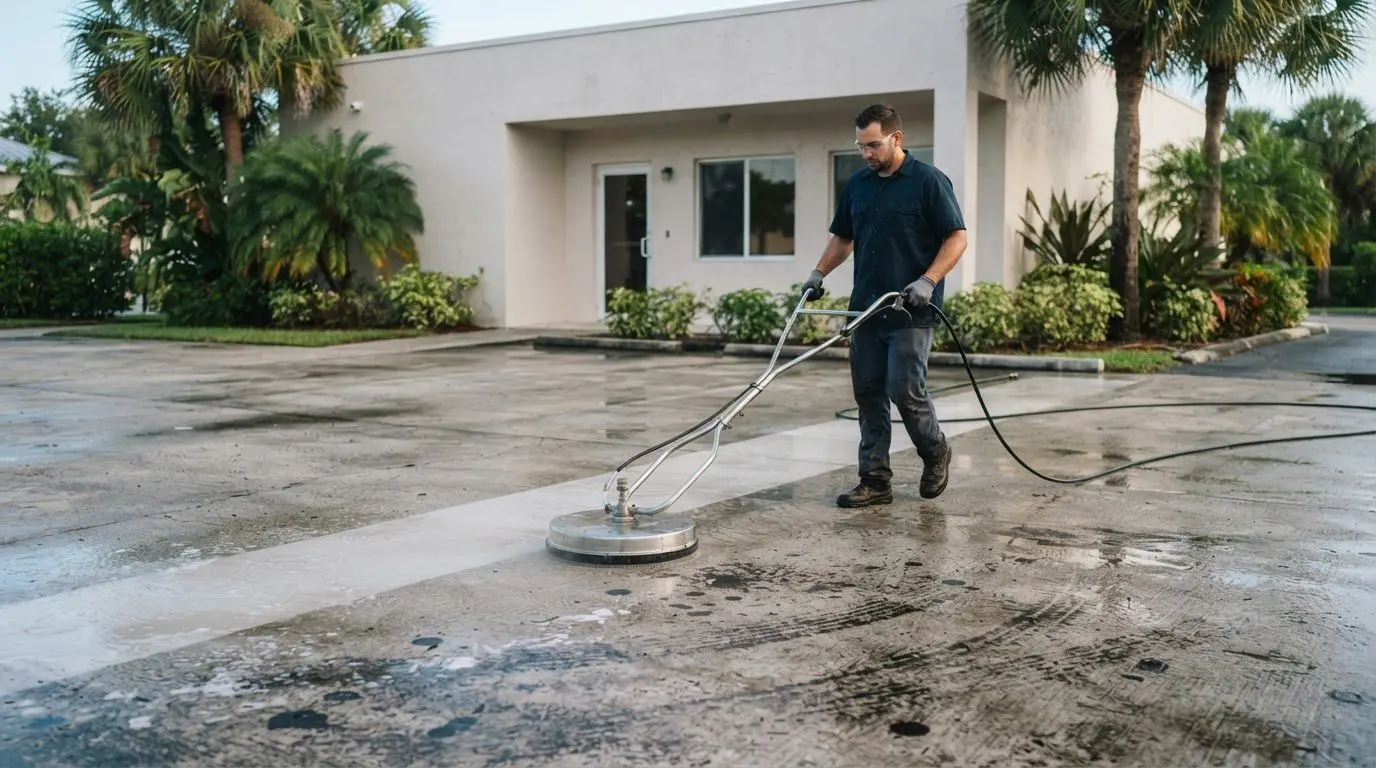
A clean, well-kept exterior helps a business feel more welcoming before customers reach the entrance. To use exterior cleaning to improve business curb appeal, assess the property from the street and identify visible grime and stains on the building, walkways, and driveway. Note weeds and debris around paved areas that make the approach look untidy.
First impressions matter, and dirt, pollen, oil marks, and neglected pavement can make a property seem less cared for than it is. The right cleaning approach depends on the surface: durable concrete can handle a different method than painted or delicate materials.
Assess the exterior through a customer’s eyes, identify the buildup that needs attention, and decide whether professional cleaning is a better fit than DIY. Regular upkeep can help maintain a tidy, inviting appearance for customers, tenants, and visitors.
Key Takeaways
- View your property from the street and entrance to spot grime, stains, weeds, and debris that affect its welcome.
- Choose a cleaning method suited to the surface, especially for painted or more delicate building materials.
- Keep driveways and walkways tidy by addressing visible oil marks, tire marks, and weeds in paved areas.
- Regular exterior upkeep can help your business look cared for and create a more inviting arrival for customers and tenants.
- Consider professional pressure cleaning when buildup is widespread or DIY methods could damage the surface.
1. Assessing the business exterior from a customer’s perspective
Start at the street, then follow the route a customer takes to the entrance. Note what catches your eye first: a faded sign, stained walls, a grimy storefront, or dirty pavement. This walk-through reveals where exterior cleaning to improve business curb appeal can make the biggest visible difference.
Check the sign from the distance where drivers or pedestrians first see it. It should be easy to read without overwhelming the building. Look for anything that makes the exterior appear dirty or neglected, such as stains on nearby walls or grime around the entrance. Note which surfaces may benefit from cleaning or painting.
Walk the customer route and inspect these areas:
- Building entrance: Look for dirt, pollen, mildew, and marks around the door or storefront.
- Walkways: Note stains, loose debris, and signs of dirt along the route.
- Parking area: Look for stains, loose debris, and litter that customers encounter before entering.
- Visibility and lighting: Check whether signs are clear and whether the entrance is easy to locate.
Parking areas can collect dirt, loose stones, gravel, and litter as vehicles and foot traffic bring debris onto the property. Note where buildup is most visible and whether the surrounding exterior surfaces also need attention. Regular pressure cleaning can help keep appropriate surfaces looking cleaner and more welcoming.
Pressure washing uses a strong stream of pressurized water, while soft washing uses lower pressure with suitable cleaning solutions. Choose the method according to the surface: durable concrete can tolerate a different approach than painted surfaces, stucco, or other delicate materials.
Permits and wastewater rules depend on the local jurisdiction, cleaning activity, and runoff destination. Identify the requirements that apply to the property and wastewater disposal before work begins. Some cleaning-product ingredients can harm aquatic species when wastewater is inadequately treated, according to the U.S. Environmental Protection Agency.
Finish by viewing the property at the customer’s eye level. A stained walkway may stand out more than a less visible wall, while a dirty sign can make the entrance difficult to notice. Record each issue by location and surface, then prioritize areas customers see and use first. This assessment helps focus washing and maintenance on a cleaner, more welcoming arrival.
Consider the sign and surrounding building exterior together rather than judging the sign in isolation. From the customer’s approach, assess whether it is large enough to be quickly and easily readable, but not so large that it overwhelms the full view. If either part of that balance is lacking, record the sign as an exterior priority and consider its scale in relation to the building. Keep the assessment grounded in the customer’s perspective, rather than judging the sign only from close by.
Include visible stains and debris in the parking area as part of the exterior review. Record these items alongside the surfaces customers see and use, so the sign, building, and parking area are considered together. After addressing the observations, review the same locations and note whether they need further attention. This keeps the assessment focused on visible features and the condition of exterior surfaces.
2. Removing dirt, pollen, mold, and mildew from building exteriors
Dirt and pollen collect on ledges, signs, and shaded walls, while mold and mildew can leave dark patches. Identify where buildup is most visible, including around entrances, facade corners, and sheltered areas. Recording affected locations helps define the work and review the cleaned areas afterward.
To clean sidewalks, parking lots, roofs, and facades safely, plan each area separately and protect nearby surfaces from spray and rinse water. Keep cleaning away from open windows and direct runoff toward appropriate drainage. Roofs and building facades need careful handling, while sidewalks and parking lots can be cleaned as durable hardscape areas.
Remove loose debris before washing so grit and leaves don’t spread across the surface. Pay attention to corners, door surrounds, sign edges, and other spots where pollen or grime can remain after broad areas look clean. Address mold or mildew patches as part of a complete cleaning plan, rather than focusing only on the darkest mark.
- Clear the work area: Move loose debris from entrances and walkways before cleaning begins.
- Identify problem areas: Note visible pollen, dirt, mildew, and stains on each part of the building.
- Protect nearby features: Account for windows, doors, signs, and adjacent surfaces during washing.
- Review the finish: Look for missed ledges, corners, and shaded sections after cleaning.
Commercial properties can collect grime between routine cleanings, especially around busy entrances and tenant areas. The Budd Group recommends pressure washing a business building at least twice a year. Actual upkeep needs also depend on climate, traffic, and surface type, so a shaded facade may need attention sooner than a less exposed wall.
Cleaning before exterior painting can help prepare a surface for a more receptive, even finish. Washing alone won’t correct peeling paint, so consider commercial exterior painting when the building needs a refreshed finish after cleaning.
For a property with multiple exterior areas, set priorities based on what customers and tenants see first, then include less visible sections in the maintenance plan. A planned exterior cleaning approach can help address buildup without overlooking ledges, shaded walls, or secondary entrances.
Curb appeal cleaning can remove dirt, stains, pollen, salt, and other buildup that makes a property look older, neglected, or less inviting. Regular commercial exterior care helps manage grime, grease, pollen, and seasonal buildup before it becomes obvious to guests or tenants. Consider entrances, shaded facades, ledges, and tenant areas when deciding where visible buildup needs attention.
Pressure washing uses pressurized water to remove stubborn dirt and grime; some jobs may also use heat or detergent, depending on the surface and cleaning needs. Soft washing uses lower pressure and suitable cleaning solutions for siding, stucco, painted surfaces, and other delicate materials. Pre-listing exterior cleaning commonly includes house washing, driveway cleaning, sidewalk cleaning, and patio cleaning. Pressure washing a commercial surface before painting helps prepare it for paint and can support a more even, longer-lasting finish.

3. Removing oil, tire marks, and weeds from driveways
Driveways are among the first outdoor surfaces customers cross, so dark oil spots and curved tire marks can stand out. Weeds between concrete sections can also make a parking area look neglected. Inspect the route from each parking space to the entrance and note stains in the busiest traffic lanes.
Concrete, sidewalks, and driveways are durable hardscape surfaces often cleaned with pressure washing, but stains need different approaches. Oil can leave a dark patch, while tire marks may form long streaks where vehicles turn or brake. Identify the stain type and location before choosing a cleaning method. A quick wash without suitable preparation may leave marks behind.
Start by clearing loose debris from the affected area. Sweep away gravel and leaves so they don’t interfere with cleaning. Then determine whether the mark is isolated or spread across a larger section. A single oil spot near a parking stall needs a more targeted approach than broad discoloration across an entrance lane.
- Oil spots: Mark each visible patch and consider whether it is fresh-looking or has settled into the concrete.
- Tire marks: Trace the streaks to see whether they cluster around turns, stalls, or the driveway entrance.
- Weeds: Note where growth appears, such as joints, cracks, or the edges of paved sections.
- Runoff path: Observe where rinse water flows, especially near drains, planting beds, or customer walkways.
Weeds may return if roots or debris remain in pavement joints. Carefully remove visible growth, then inspect the gaps during routine property checks. Avoid directing forceful water at loose joints or damaged pavement. The goal is to clean the hard surface without worsening weak spots or pushing debris into nearby areas.
A cautious cleaning attempt may work for a small, accessible mark. Professional cleaning is a better fit when oil staining covers a broad traffic area, marks remain after washing, or delicate joints and nearby surfaces need protection. The method should account for the concrete’s condition, stain pattern, and drainage route.
After cleaning, review the driveway from the customer’s approach. Check whether dark patches still draw attention, weeds remain along the entrance, or rinse residue has collected elsewhere. Regular sweeping and prompt debris pickup help keep loose grit from spreading. An orderly route supports the welcoming impression created by the storefront and entrance.
4. How exterior cleaning improves business first impressions
Customers form an impression as they approach, before meeting staff or entering the building. A clean facade, clear entrance, and orderly grounds signal that the property is cared for. That impression supports the customer experience, while accumulated grime or neglected surfaces can distract from the business.
The services that most visibly improve curb appeal depend on what customers see first. Cleaning a stained facade, entry path, parking area, or roof can refresh the property’s appearance. If the building is clean but the entrance is visibly dirty, prioritize the approach over less noticeable areas.
When comparing commercial cleaning proposals, look for a clear scope that identifies the surfaces, methods, and work areas. Review how the plan handles runoff, nearby features, and access to customer areas. To verify insurance, request a current certificate and confirm its details with the issuing insurer.
Environmental and property-damage risks include uncontrolled runoff, harm to nearby plants, and damage from an unsuitable cleaning method. A thoughtful plan accounts for drainage, adjacent materials, and the condition of painted or delicate surfaces. These details matter where wash water could reach planting beds or building finishes are already worn.
Seasonal factors across the United States vary by region. Rain, pollen, humidity, and local traffic can affect when buildup becomes visible and when work is practical. A business can schedule around its busiest periods and the conditions that affect its property, rather than relying on one calendar schedule for every location.
Prices depend on project scope, surfaces, the amount of buildup, and the areas included. A quote request gives the provider details needed to assess the work. For commercial properties, consider whether recurring attention to customer-facing areas suits the site’s traffic and maintenance needs.
The strongest first impression comes from a property that feels cared for as a whole. Focus the cleaning plan on what customers encounter, and adjust it as the business, seasons, and exterior conditions change. This makes curb appeal a practical part of property maintenance, not a one-time appearance fix.
Pressure Pros of Palm Beach
Pressure Pros of Palm Beach helps business owners across Palm Beach County address exterior grime, stains, and weathered surfaces that affect a property’s welcome. Commercial pressure cleaning can refresh suitable exterior surfaces, while roof cleaning addresses visible roof buildup.
If a building still looks worn after cleaning, exterior painting may be a better next step. The right service depends on what customers notice, which surfaces need attention, and whether the issue is buildup or faded paint.
For a storefront, office, or other commercial property, consider the entire customer approach, not just the facade. A clear scope can include the building exterior and other visible areas that need attention, helping you plan practical maintenance.
Contact Pressure Pros of Palm Beach to discuss your business exterior and the cleaning or painting services that fit your property.
Make a Practical Plan for Your Property
A welcoming exterior is an ongoing part of how customers experience your business. Set a simple maintenance plan around the areas visitors see first, then adjust it as traffic, weather, and surface conditions change. This keeps decisions focused on the property’s needs rather than waiting until buildup becomes the first thing people notice.
For exterior cleaning to improve business curb appeal, choose work that fits the condition of each surface and supports your long-term property plans. Pressure Pros of Palm Beach offers pressure washing, roof cleaning, and exterior painting to address different exterior needs. A conversation about your building can help identify which service is a sensible next step and how to approach the visible areas.
A well-maintained business exterior sets a confident tone before customers walk through the door. Contact Pressure Pros of Palm Beach when you’re ready to create a cleaner, more welcoming arrival.
Recent Comments